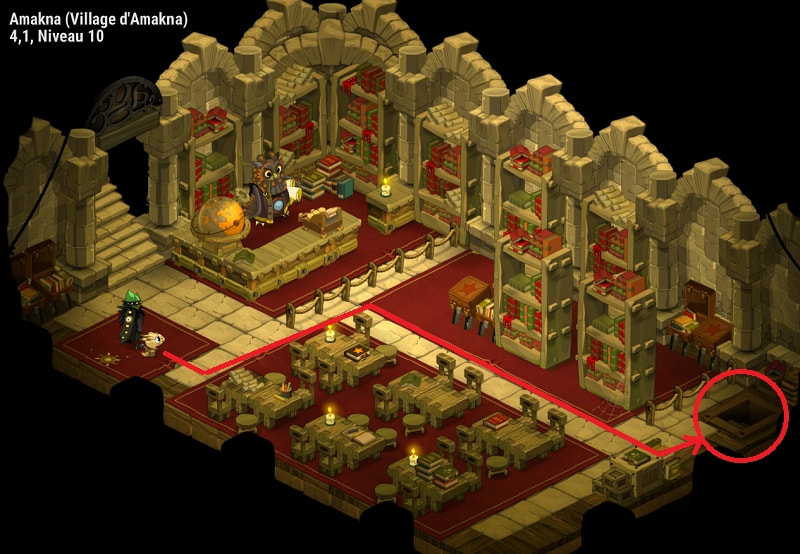
Buy cheap WAKFU - Excarnus Pack cd key - lowest price
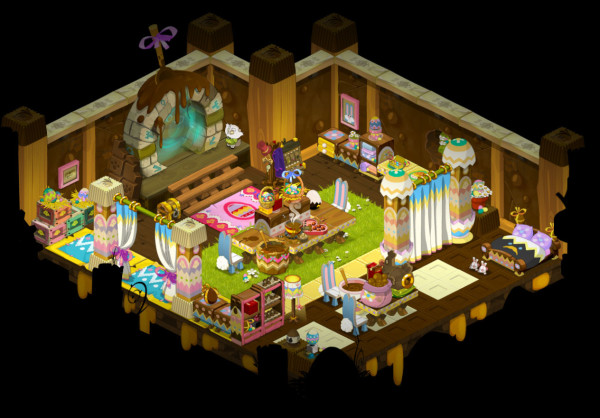
Liste des Thèmes - Dofus : Les Havres-Sacs - Millenium
DING DING DING, It is gaming time, you need to you find Saddam in this background (don't tell anyone in the comments tho 😳😳😳😳) : r/GuardianTales
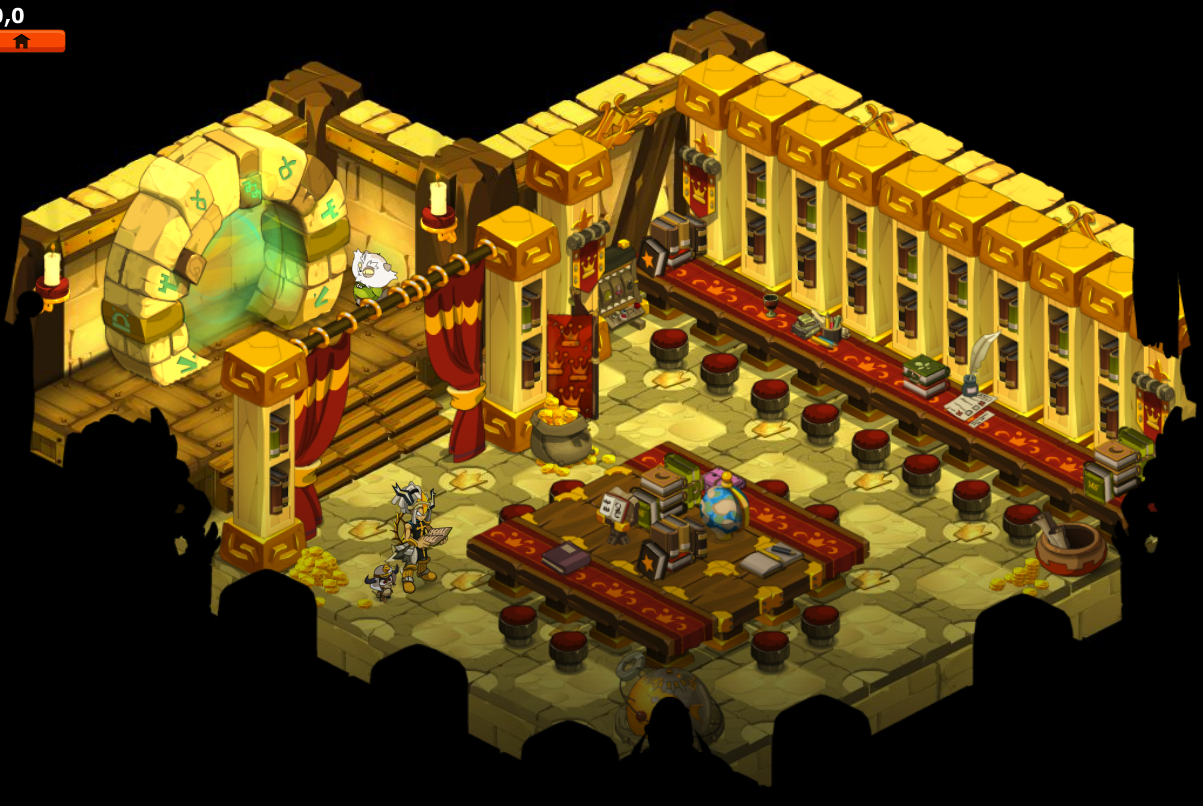
Montre moi ton Havre-sac ! - Forum - DOFUS, le MMORPG stratégique.
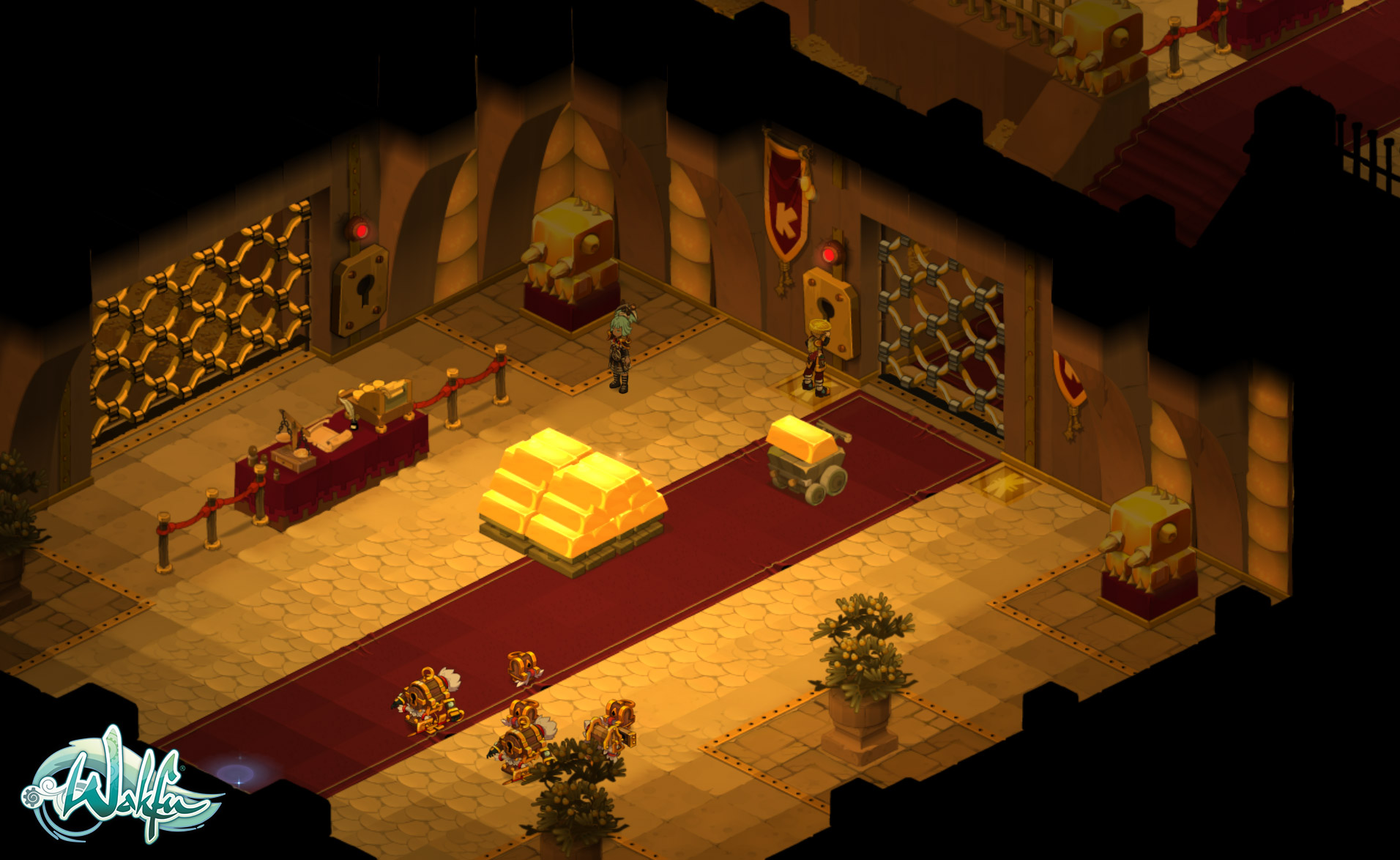
WAKFU, The strategic MMORPG with a real environmental and political system.

Buy cheap Anuchard cd key - lowest price
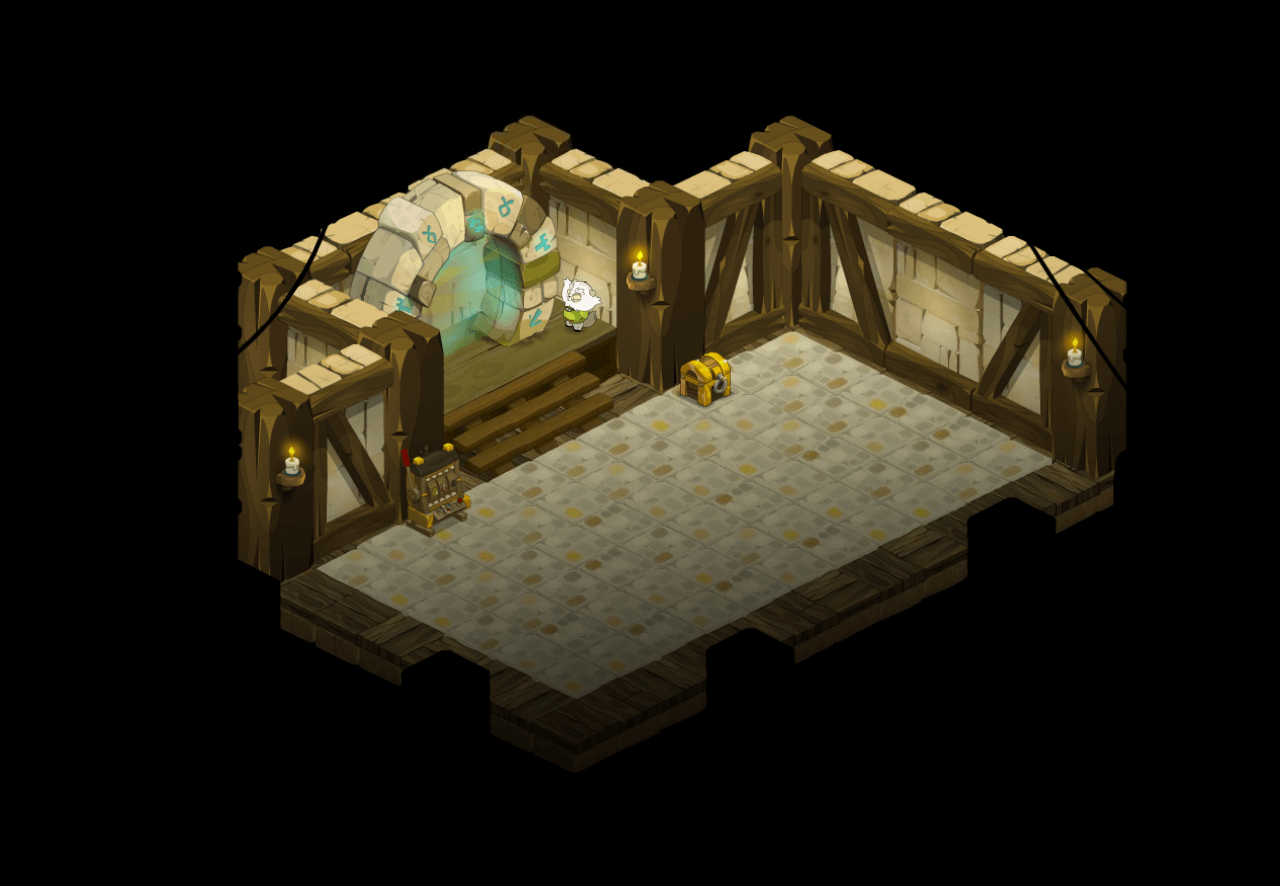
Dofus - Les Havres-Sacs - Dofus
![L'Oignon Fait La Farce :: [Concours] J'irais dormir dans ton Havre-sac](http://img.xooimage.com/files110/3/4/a/hs-4edb1d0.jpg "L'Oignon Fait La Farce :: [Concours] J'irais dormir dans ton Havre-sac")
L'Oignon Fait La Farce :: [Concours] J'irais dormir dans ton Havre-sac

Ivory Dofus
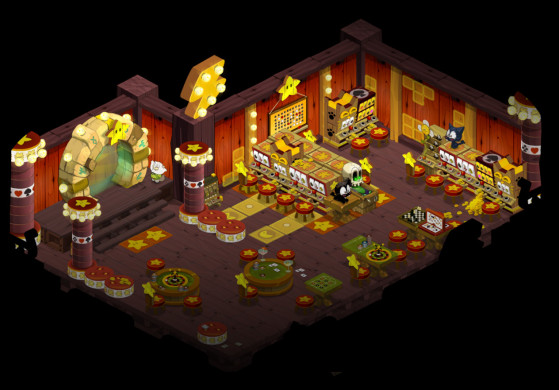
Liste des Thèmes - Dofus : Les Havres-Sacs - Millenium

Mise à jour 2.32 : Les Havres-Sacs, quêtes d'alignements, les Hupermages et bien plus ! - Blog de la guilde "Ensemble" sur le serveur...

Wakfu - Photos | Facebook
![Concours – Centrum Terrae [TERRA]](https://allianceterra.files.wordpress.com/2015/09/havre-sac.png "Concours – Centrum Terrae [TERRA]")
Concours – Centrum Terrae [TERRA]

ArtStation - 日和风格场景设计, pan - | Game concept art, Artwork, Concept art
![Wiki] Loterie des Havres-Sacs](https://jolstatic.fr/attachments/7/1/984/5/MjljMmE5MTc1MWEwMzFlNjRhYTVlZDgzMmFhZjhiYzI/1449780993_capture_d_ecran_2015_12_10_a_21_54_05.png "Wiki] Loterie des Havres-Sacs")
Wiki] Loterie des Havres-Sacs
DOFUS: Legends of Autumn
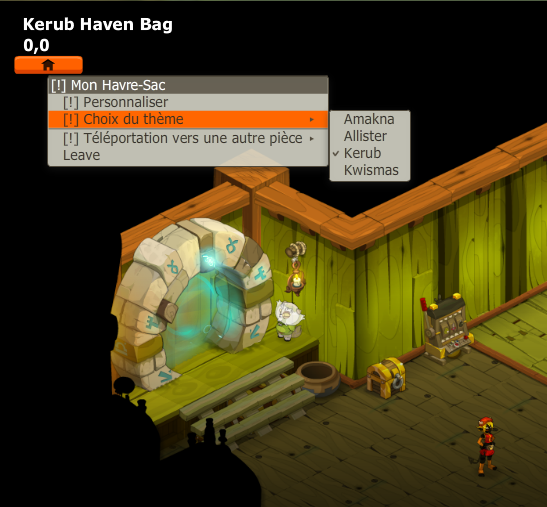
DOFUS on Twitter: "@IIKarma41II Shift key will flip objects horizontally, but not all objects will be able to face all four orientations. =)" / Twitter

Allister / Haven Bag - DOFUS Boutique - DOFUS, the Tactical MMORPG

Les prochains Havre-Sac qui seront ajoutés en jeu ! - Blog de la guilde "Ensemble" sur le serveur...
![Topic Unique] Partage ton Havre-Sac ! - Forum - DOFUS, le MMORPG stratégique.](http://i84.servimg.com/u/f84/18/39/32/64/hs110.jpg "Topic Unique] Partage ton Havre-Sac ! - Forum - DOFUS, le MMORPG stratégique.")
Topic Unique] Partage ton Havre-Sac ! - Forum - DOFUS, le MMORPG stratégique.

Blog de Havres-sacs - Page 2 - Galerie d'art d'Havres-Sacs Dofus - Skyrock.com
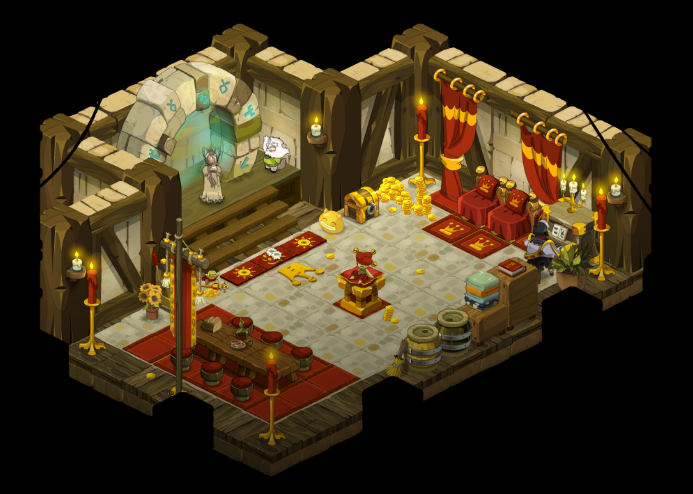
UNIVERSALIS :: Havre sac : montrez ici vos talents de décorateur ^^
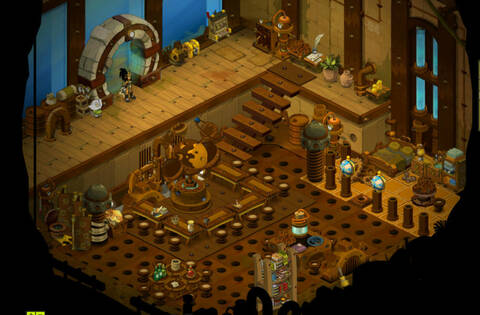
Un âme d'aventurier
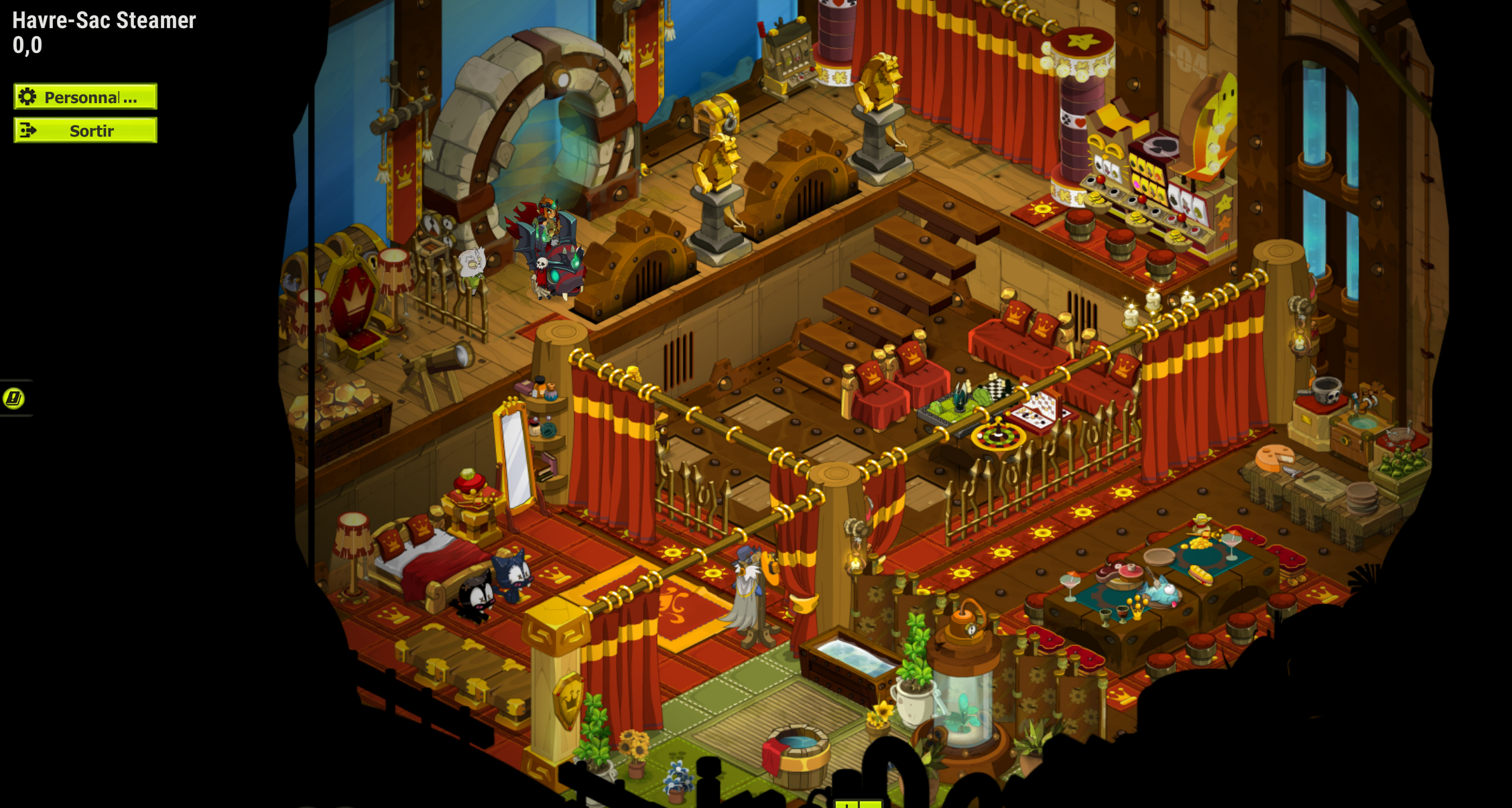
Vent de fraîcheur dans votre Havre-Sac ! - Forum - DOFUS, le MMORPG stratégique.
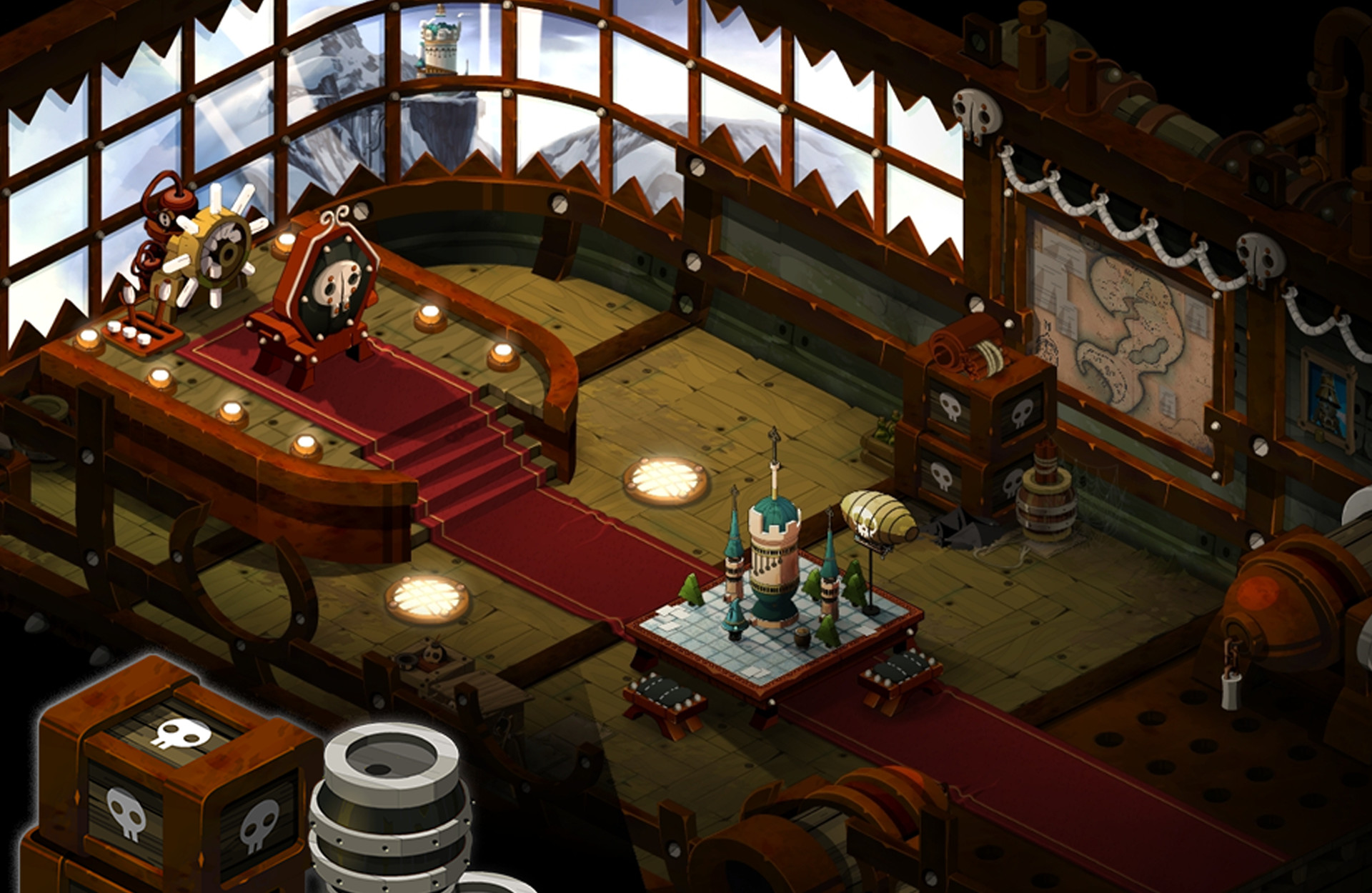
Etienne Corbaux - Dofus - Frigost

havresac - Twitter Search / Twitter